By Michael Stephenson, President and CEO of StrikeForce Staffing
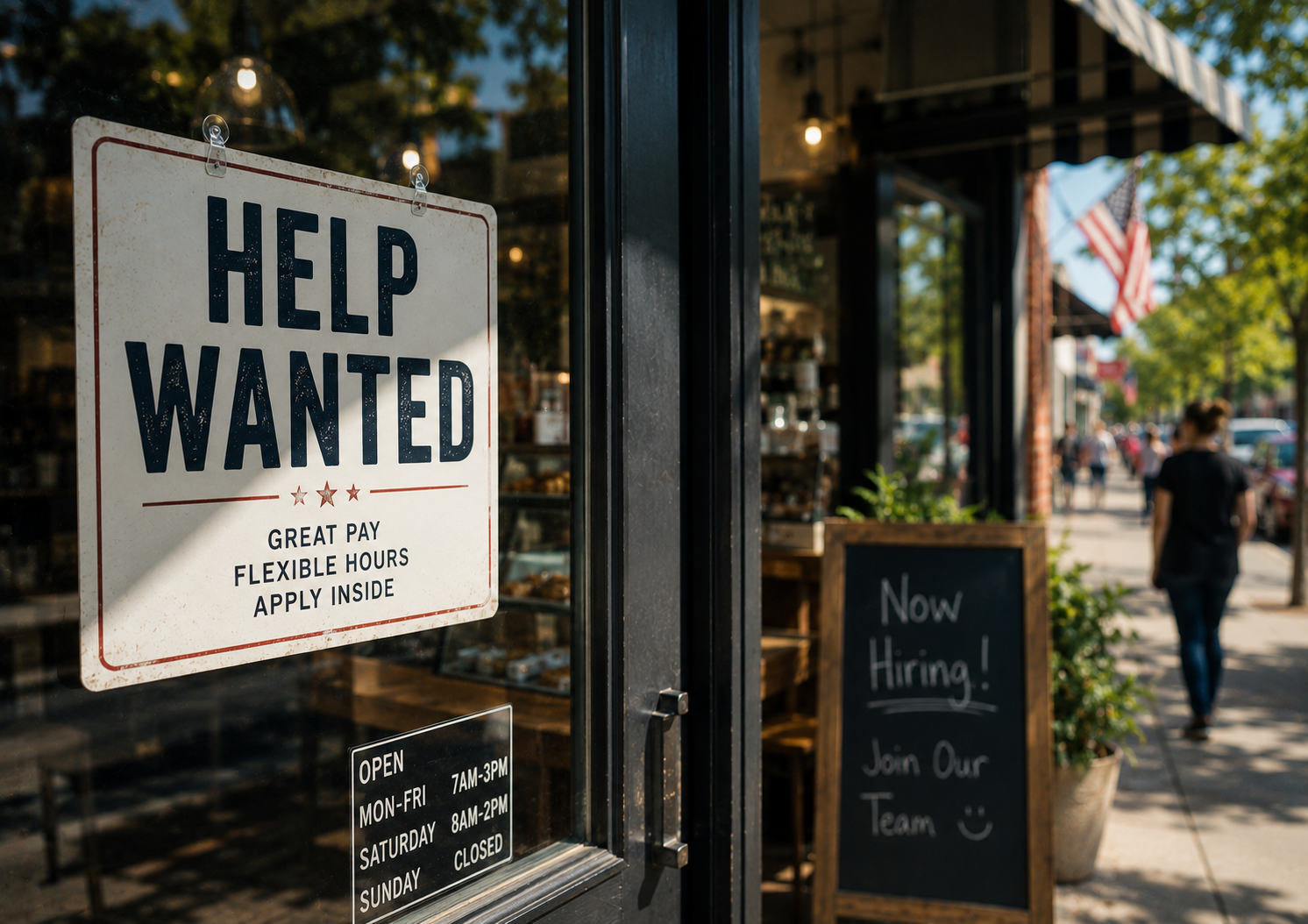
The latest labor-market signals contain an interesting contradiction. U.S. payrolls unexpectedly declined in July, yet small businesses are becoming considerably more optimistic about hiring.
New National Federation of Independent Business data reported by Reuters show that 20 percent of small-business owners plan to create jobs over the next three months, the highest share since October 2022. But 36 percent already report positions they cannot fill, the highest reading since June 2025.
That matters because small businesses can act as an early signal for the broader hiring market. If demand improves while the available labor pool remains constrained, employers could quickly move from today's relatively cautious environment back into competition for workers.
And the problem isn't confined to highly specialized positions. Business owners reported difficulty finding both skilled and unskilled labor, while 27% named labor quality or availability as their single biggest business problem.
Why it matters: A slow national labor market does not necessarily mean employers will have an easy time hiring. Businesses that wait for unmistakable signs of a hiring recovery may find that the best workers are already being recruited.
Hiring signal: Hiring intentions are strengthening faster than labor availability.
CTA: Identify the three positions your organization would need first if business accelerated this fall. Are you already building candidate pipelines for them, or would recruiting begin only after the requisition opens? Let StrikeForce help.